
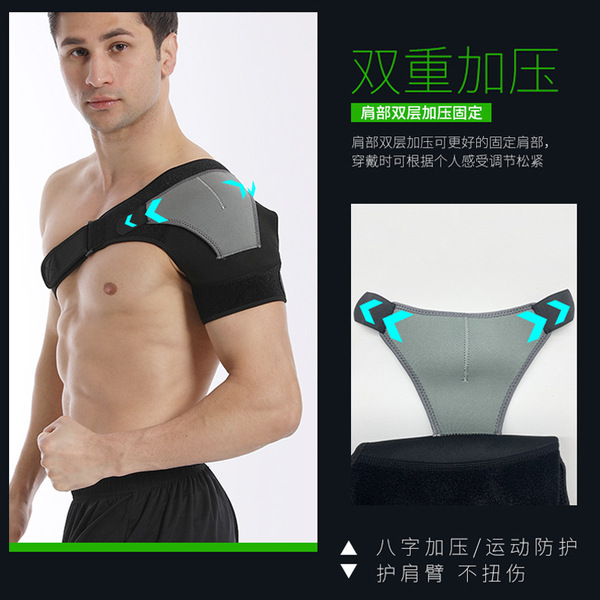
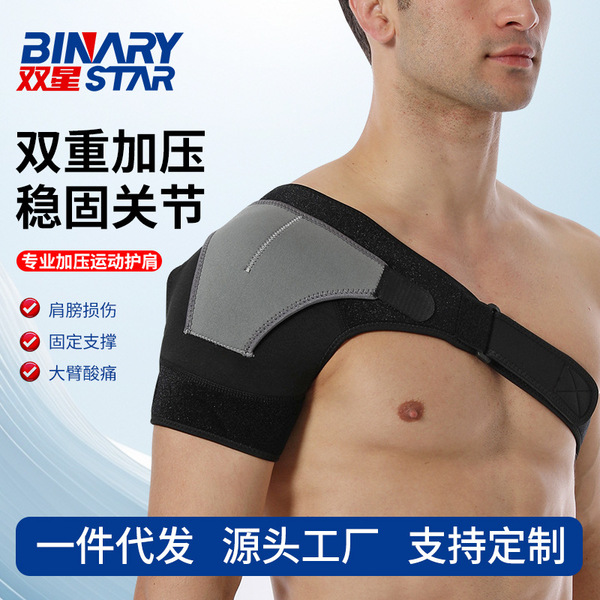
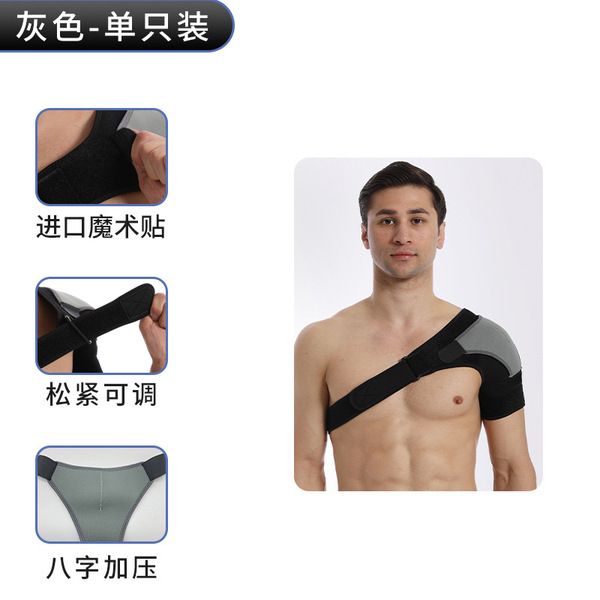
A shoulder support is an orthopedic device used to stabilize the joint, manage pain, and assist in the recovery of various injuries. These supports range from lightweight compression sleeves to rigid immobilizers, each serving a specific clinical purpose.
Key Functions of Shoulder Supports
- Injury Recovery: Braces accelerate healing by immobilizing or stabilizing affected areas like fractures or dislocations.
- Pain Management: Compression helps reduce inflammation, swelling, and discomfort by improving blood circulation.
- Joint Stabilization: Supports help keep the shoulder joint in the correct position, which is critical for those with instability or recurring subluxations.
- Proprioception: Wearing a brace increases awareness of the arm’s position, helping to prevent movements that could cause re-injury.
Common Types of Supports
| Type | Best Use Case | Movement Level |
|---|---|---|
| Compression Sleeve | Mild strains, arthritis, or post-workout recovery. | Full range of motion. |
| Stabilizing Brace | Moderate injuries like partial rotator cuff tears or AC joint separations. | Controlled, limited movement. |
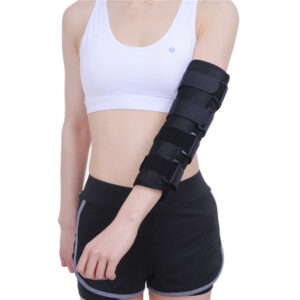
| Immobilizer / Sling | Severe trauma, fractures, or post-surgery recovery. | Restricted or no movement. |
| Posture Corrector | Chronic pain linked to rounded shoulders or slouching. | Guides alignment. |
How to Choose the Right Support
- Identify Your Condition: Use compression for dull aches and inflammation, but choose a stabilizer if you feel your joint is “slipping” during movement.
- Measure Precisely: Do not rely on T-shirt sizes. Measure your chest circumference just below the armpits and your upper arm circumference.
- Check Material: Neoprene is popular for heat retention and flexibility, while breathable mesh is better for long-term wear or humid climates.
- Consult a Professional: A physical therapist or orthopedic specialist can diagnose the exact nature of your injury and recommend the appropriate level of restriction.
Reviews
There are no reviews yet.