
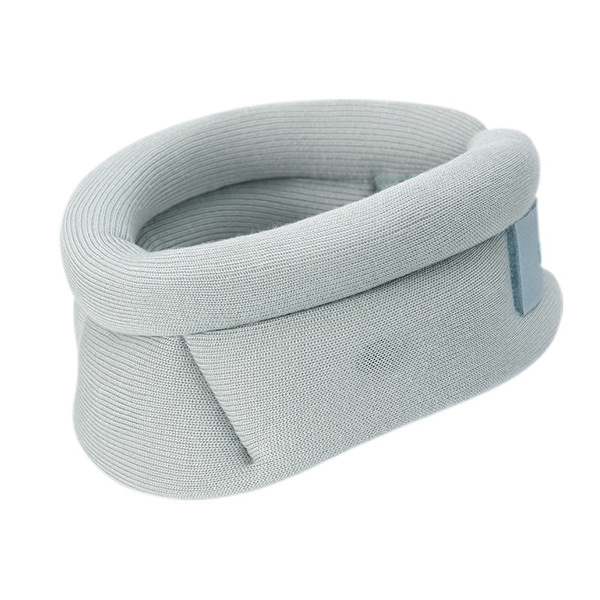
A cervical collar, also known as a neck brace, is a medical device designed to support the cervical spine (the neck), maintain alignment, and limit movement to allow for healing after an injury or surgery.
Types of Cervical Supports
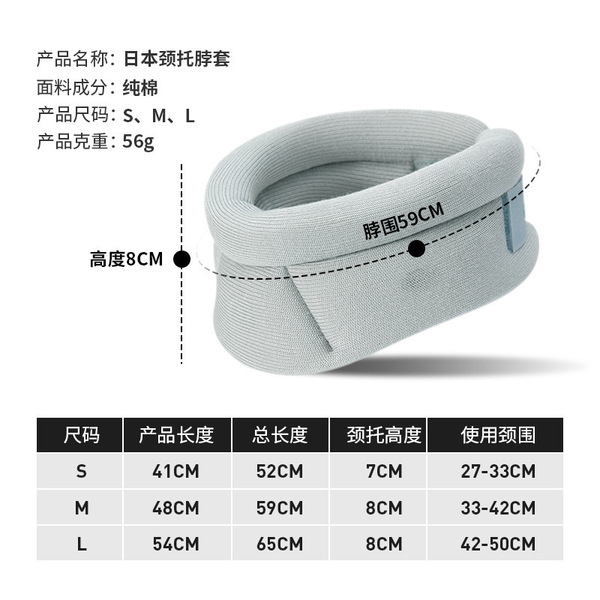
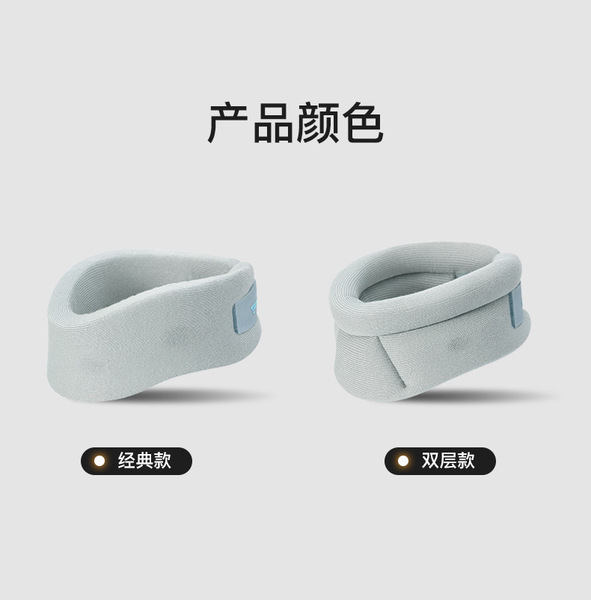
The device in your image is a soft cervical collar, which is typically made of foam or rubber and lined with a soft fabric. Supports are generally categorized based on the level of immobilization they provide:
| Type | Material | Typical Uses | Level of Support |
|---|---|---|---|
| Soft Collar | Foam, felt, or rubber | Whiplash, mild strains, muscle spasms, or a “reminder” to limit movement. | Low: Allows some movement; used for comfort and mild stabilization. |
| Rigid Collar | Hard plastic (e.g., Philadelphia, Miami J collars) | Serious injuries like fractures (broken neck) or stabilization after major surgery. | High: Significantly restricts all directions of movement. |
| Cervical Brace | Composite structure with chest plates or shoulder straps | Severe spinal instability or multi-directional immobilization. | Maximum: Restricts head, neck, and upper body movement. |
How They Help
- Immobilization: Restricts rotational and lateral movements that could cause further damage.
- Weight Distribution: Transfers the weight of the head away from the neck and onto the shoulders or chest.
- Pain Management: Promotes muscle relaxation and reduces inflammation by keeping the neck in a “neutral” position.
- Proprioceptive Reminder: Acts as a physical “guide” to remind the user to avoid sudden or extreme movements.
Critical Usage and Safety Tips
- Consult a Professional: A doctor or physical therapist should determine the correct type and size for your specific injury.
- Skin Care: Remove the collar daily (with help if required) to clean and dry the skin, as moisture and pressure can cause skin breakdown or sores.
- Avoid Overuse: Prolonged use (typically beyond 1–2 weeks for minor injuries) can lead to muscle atrophy and dependency.
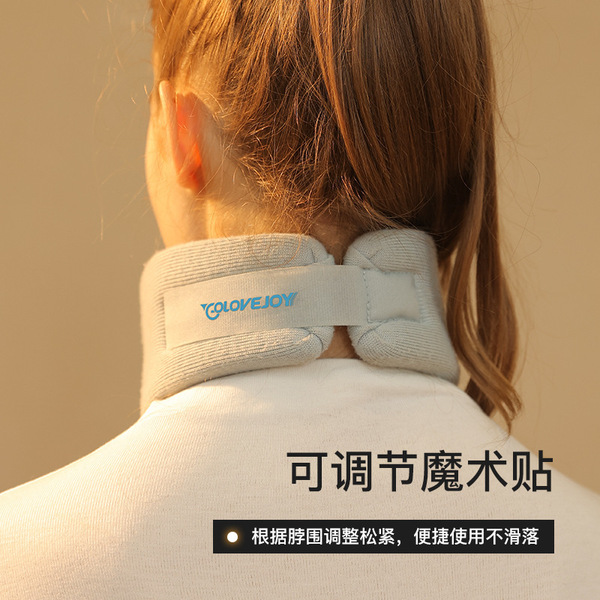
- Fit: It should be snug enough to restrict movement (e.g., you should not be able to nod) but must not interfere with breathing or swallowing.
Medical Disclaimer: This information is for general educational purposes and is not a substitute for professional medical advice. Always seek the advice of your physician regarding a medical condition. Make sure to double-check the physical label or manufacturer’s instructions for fitting and safety guidelines.

Reviews
There are no reviews yet.