
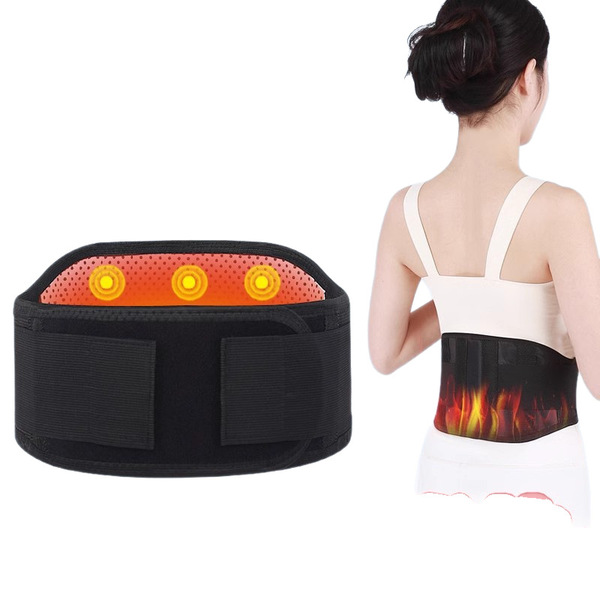
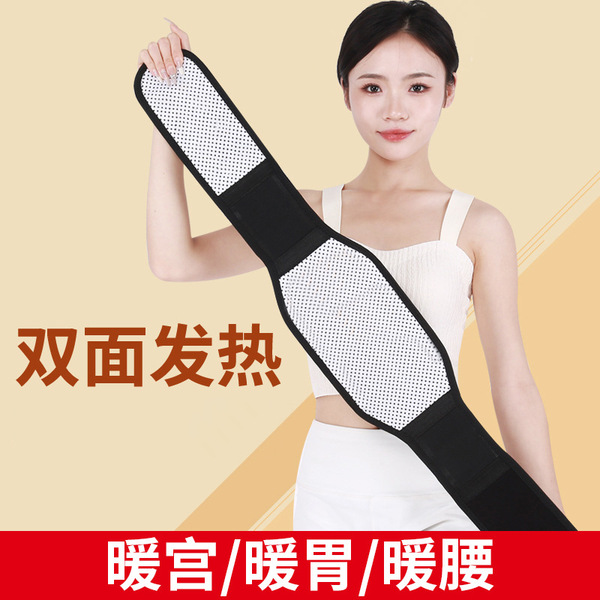
A lumbar support is any device, cushioning, or ergonomic adjustment designed to support the natural inward curve of the lower back (the lumbar spine). By filling the gap between the spine and a seat or providing external compression, it helps maintain a healthy neutral posture.
The Role of Lumbar Support.
- Maintains Natural Alignment: It preserves the spine’s “S” shape, preventing it from flattening or slouching into a “C” shape during prolonged sitting.
- Reduces Strain: It offloads weight from the lower vertebrae (L1–L5), redistributing pressure more evenly and allowing back muscles to relax.
- Stabilizes Movement: Braces and belts can limit excessive bending or twisting that might aggravate an existing injury.
- Improves Comfort: By alleviating pressure on spinal discs and nerves, it helps prevent issues like sciatica or muscle fatigue.
Common Types.
- Braces and Belts: Wearable supports that provide compression and stability.
- Integrated Support: Built-in curves in ergonomic office chairs or car seats, which are often adjustable for height and depth.
- External Cushions: Portable memory foam pillows or “lumbar rolls” that can be added to any chair.
Medical Disclaimer: This information is for general purposes only and does not constitute medical advice. Please consult a healthcare professional for a proper diagnosis and to determine if a lumbar support is appropriate for your specific condition. Make sure to double-check the physical label of any device to verify sizing and usage instructions.

Reviews
There are no reviews yet.